
Understanding the Legal Requirements for Selling Property in Dubai


When it comes to selling property in Dubai, understanding the legal requirements is crucial for a smooth transaction. The city has specific regulations that sellers need to follow to ensure compliance and avoid any legal complications. This guide will walk you through the essential legal aspects of selling property in this dynamic real estate market.
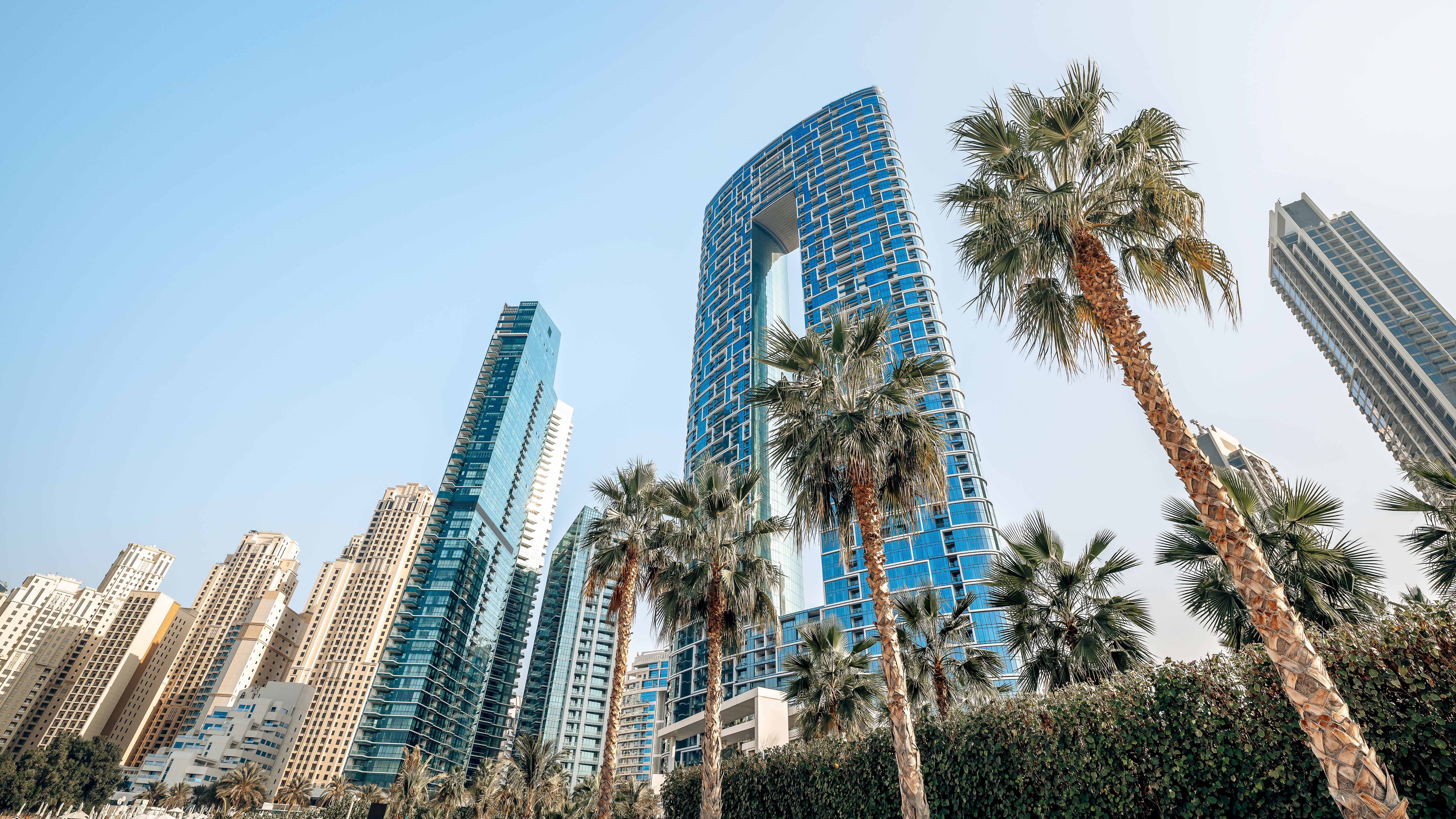
Understanding Ownership Laws
Before selling property in Dubai, it's important to understand the ownership laws that apply. In Dubai, freehold properties allow foreign nationals to own property outright in designated areas. However, there are leasehold properties where ownership is limited to a specific period. Being aware of these distinctions is the first step in ensuring that you are legally prepared to sell your property.
Freehold vs. Leasehold
Freehold properties offer full ownership rights, including the land, while leasehold properties typically come with a 99-year lease agreement. It's essential to know which category your property falls into, as this will affect how you proceed with the sale.

Required Documentation
Proper documentation is key in the property selling process. Sellers need to gather all necessary documents, including the title deed, a copy of the sales agreement, and any mortgage-related papers. These documents serve as proof of ownership and are required for the legal transfer of property.
Title Deed
The title deed is a crucial document that proves ownership of the property. It must be presented to the Dubai Land Department (DLD) to initiate the sale process. Ensure that this document is up-to-date and accurately reflects your ownership details.
Role of the Dubai Land Department
The Dubai Land Department (DLD) plays a significant role in overseeing property transactions. Sellers must register the sale with the DLD to ensure it is legally recognized. This involves paying a transfer fee, which is a percentage of the property's sale price.
Transfer Fees and Approval
The transfer fee is typically 4% of the property’s sale price and is split between the buyer and the seller. The DLD also requires approval of the sale agreement, ensuring that all legal requirements are met before the transaction is finalized.

Involving a Real Estate Agent
Engaging a licensed real estate agent can simplify the selling process. Agents are familiar with the legal requirements and can assist with paperwork, negotiations, and finding potential buyers. They also provide valuable market insights, helping you set a competitive asking price.
Choosing the Right Agent
When selecting an agent, choose one with a strong track record in the Dubai market. Verify their credentials and ensure they are registered with the Real Estate Regulatory Authority (RERA) to avoid any legal issues.
By understanding and following the legal requirements for selling property in Dubai, you can ensure a smooth and successful transaction. From understanding ownership laws to handling necessary documentation and involving the right professionals, each step is vital in navigating Dubai’s real estate market efficiently.